Metal-clad base substrates providing exceptional thermal dissipation paths for high-wattage power conversions and advanced solid-state lighting arrays.
Standard FR4 substrates are excellent electrical insulators, but they are incredibly poor thermal conductors. When high-power components like solid-state LED arrays, industrial motor drives, or electric vehicle power converters generate intense thermal loads, standard epoxy glass traps that heat. This rapidly degrades components and triggers system failures.
Aluminium Printed Circuit Boards—also known as Metal Core PCBs (MCPCBs)—solve this thermal bottleneck. By replacing the thick glass-epoxy layer with an structural aluminium base plate topped with an ultra-thin, highly conductive dielectric layer, heat is immediately transferred away from critical junctions. This structural approach allows power systems to run cooler, push higher currents, and maintain long-term reliability in compact footprints.
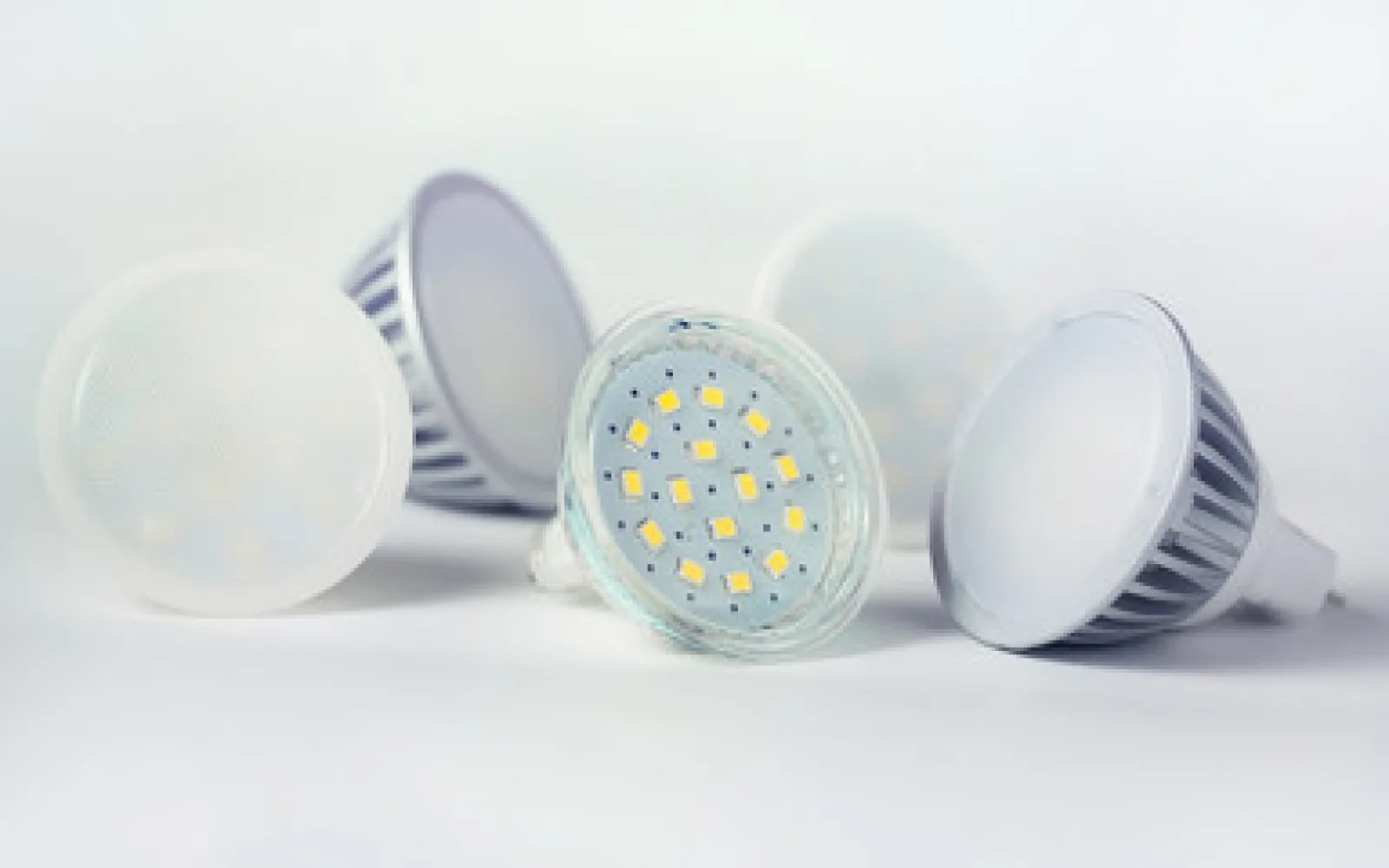
MCPCB Core Layering
Aluminium base lamination for rapid heat dissipation paths.
Balancing high thermal transfer rates with strict electrical isolation requirements.
The absolute core of an Aluminium PCB's performance does not rest in the metal plate itself, but within the ultra-thin polymer dielectric layer sandwiched between the copper traces and the metal backing. This specialized layer must perform two contradictory tasks simultaneously: it must prevent high-voltage electrical arcing down to the metal core, while easily passing thermal energy away from the copper traces.
If this dielectric boundary is even slightly too thick or contains microscopic air gaps, its thermal resistance spikes, turning the base plate into a heat trap. Our manufacturing processes solve this constraint by utilizing specialized ceramic-filled polymer layers under strict temperature-controlled vacuum lamination presses. This achieves high breakdown voltages while keeping thermal paths fast and direct.
"In power electronics, heat is the ultimate enemy of operating efficiency. Optimizing the thermal conductivity parameters of metal-clad core layers extends active semiconductor lifespans by up to 300%."
— Power System Reliability Journal
Because aluminium core plates carry significant weight, importing them raw or as finished assemblies from overseas sources drives up logistics costs and exposes your timelines to long port delays.
At pcbmadeinindia.com, we source and manufacture our metal-core inventory completely within India. Our local engineering desk runs rapid **Design for Manufacturability (DFM)** reviews to check your edge clearances and mechanical isolation distances before machining begins.
As domestic manufacturing scales across clean technology sectors, secure access to high-power circuit architectures is critical. We provide local hardware teams with a dependable, sovereign sourcing pipeline.
Whether you are developing heavy automotive headlight layouts, localized solar inverter power stages, or dense LED luminaire arrays, we match our processing rules to your structural constraints. By keeping development local, we ensure clear communication and reliable execution, protecting your timelines from international bottlenecks.
Granular engineering limits for our specialized metal-core manufacturing lines.
| Technical Dimension | Standard Offering | Advanced System Limits |
|---|---|---|
| Thermal Conductivity Options | 1.0 to 1.5 W/m-K | 2.0 to 3.0 W/m-K Premium Layers |
| Aluminium Base Thickness | 1.0mm to 1.5mm Base | 0.6mm to 2.0mm Base Layouts |
| Finished Copper Weights | 1 oz or 2 oz Copper | Up to 3 oz / 4 oz Heavy Copper Tracks |
| Layer Stack Options | Single-Sided MCPCB (Standard) | Double-Sided Clad / Multi-Layer Metal Core |
| Solder Mask Color Selection | High-Reflective Glossy White | Matte White / High-Contrast Black |
| Profile Scoring Precision | Standard Linear V-Scoring | Precision CNC Routing / Punching Formats |
Note: Double-sided metal-core layouts requiring plated through-holes (PTH) that are structurally isolated from the base substrate require manual stack validation prior to quotation.
Do not let high temperatures compromise your system yields. Upload your metal-core Gerber files and mechanical drawing profiles today, and our engineering desk will construct a complete DFM layout analysis.